The freight market is constantly changing. Rates rise and fall, freight volumes fluctuate, fuel prices move, and new regulations reshape the industry. While it's impossible to predict every market cycle, experienced owner-operators understand one important truth:
Success isn't about reacting to the market—it's about understanding what drives it.
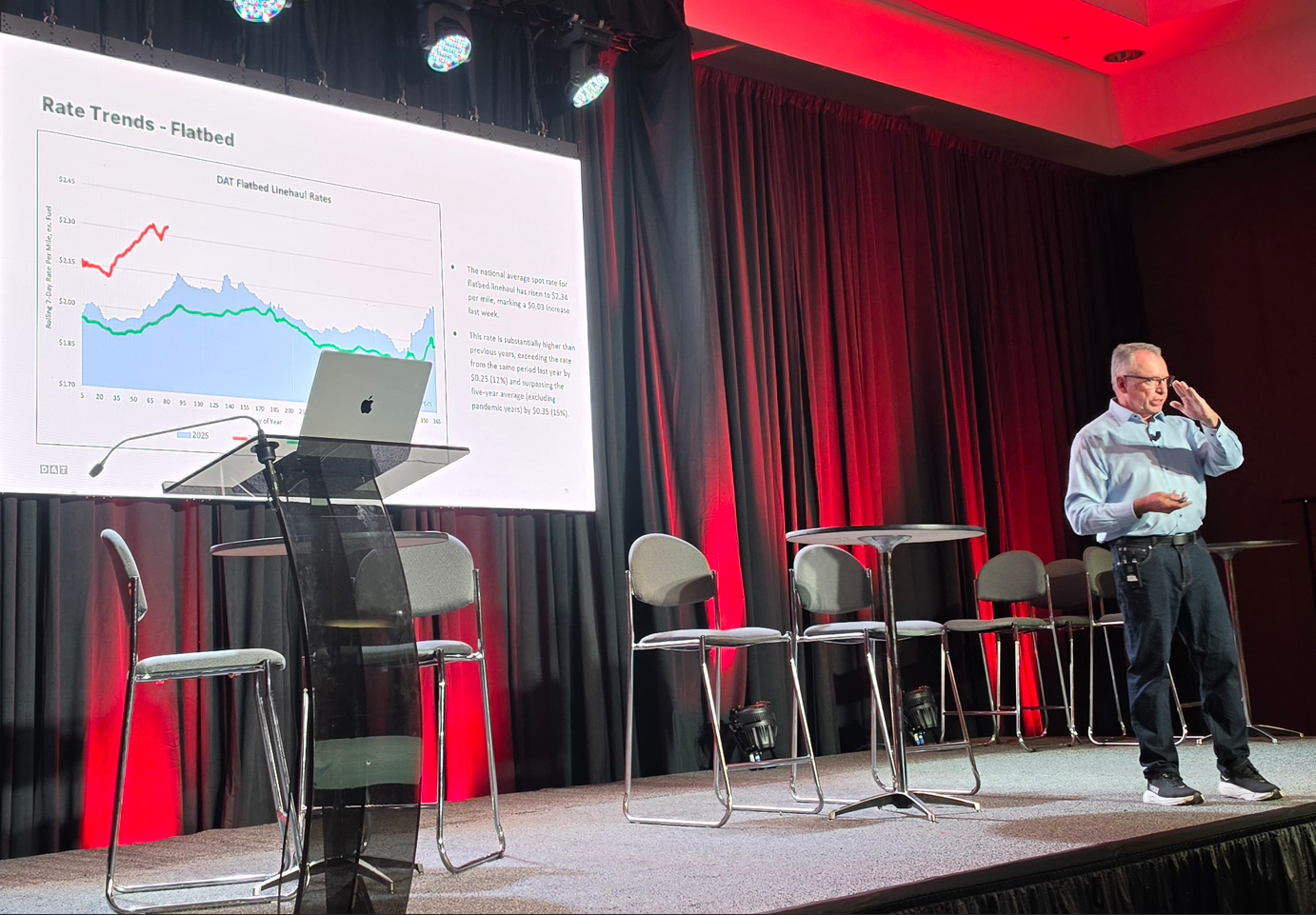
During a conversation with Dean Croke, Senior Market Analyst at DAT Freight & Analytics, we discussed several principles that can help trucking businesses make better decisions regardless of where the market stands today.
Freight Rates Follow Supply and Demand
Freight rates don't exist in isolation.
Every load available on a load board is the result of consumers buying products, manufacturers producing goods, and businesses moving freight across the country.
When demand for transportation increases faster than truck capacity, rates generally rise. When too many trucks compete for fewer loads, rates often decline.
While no one can control market cycles, owner-operators who understand these economic forces are better prepared to adapt when conditions change.
Don't Just Study Trucking—Study What You're Hauling
One of Dean Croke's most valuable insights is that many drivers spend too much time following trucking news and not enough time following the industries they serve.
If you primarily haul:
- construction equipment
- roofing materials
- agricultural machinery
- food products
- computer electronics
...those industries ultimately determine your freight opportunities.
Understanding where demand is growing allows owner-operators to anticipate freight trends before they appear on a load board.
Instead of asking:
"Where are rates today?"
Ask:
"Is demand for the products I haul increasing or decreasing?"
That's often the better indicator of future freight opportunities.
Specialization Creates Opportunity
Not every trailer competes in the same market.
Dry van freight often has lower barriers to entry, making it difficult to differentiate one carrier from another.
Specialized equipment—including flatbed, step deck, RGN, or other open deck trailers—typically requires additional skills, knowledge, and physical work. However, those specialized markets may also provide opportunities for carriers willing to invest in expertise.
The lesson isn't that every owner-operator should purchase specialized equipment.
The lesson is that finding a niche often creates more value than competing solely on price.
Relationships Matter Before You Need Them
Many owner-operators focus on finding today's next load.
Successful businesses also think about tomorrow.
Building relationships with brokers, shippers, and customers before market conditions improve positions carriers to benefit when freight demand increases.
Strong business relationships are often built during difficult markets—not just during strong ones.
Think Like a Business Owner
Driving a truck is only one part of operating a successful trucking company.
Managing fuel costs, understanding operating expenses, negotiating rates, planning maintenance, managing cash flow, and building customer relationships are equally important.
Many experienced owner-operators eventually realize that trucking is as much a business as it is a profession.
The better you understand your costs and your market, the better decisions you can make regardless of economic conditions.
Information Is a Competitive Advantage
Good decisions require good information.
Successful carriers increasingly rely on market data to understand freight demand, seasonal trends, lane pricing, and changing market conditions.
Platforms like DAT Freight & Analytics provide more than a load board. Owner-operators can access market rate information, broker credit insights, freight trends, and financial tools such as non-recourse freight factoring designed to improve cash flow. These resources don't replace experience, but they can help carriers make more informed business decisions and reduce uncertainty in day-to-day operations.
Final Thoughts
Freight markets will always experience cycles.
Some years bring record demand. Others test even the most experienced carriers.
What separates successful owner-operators isn't the ability to predict every market movement—it's the ability to understand the forces behind those movements, specialize where it makes sense, build lasting business relationships, and make decisions based on reliable information instead of emotion.
Technology, consumer demand, and the economy will continue to evolve, but these principles remain relevant regardless of where the freight market stands today.
.png)

.png)



.png)
.png)